APA report: Worsening mental health crisis pressures psychologist workforce

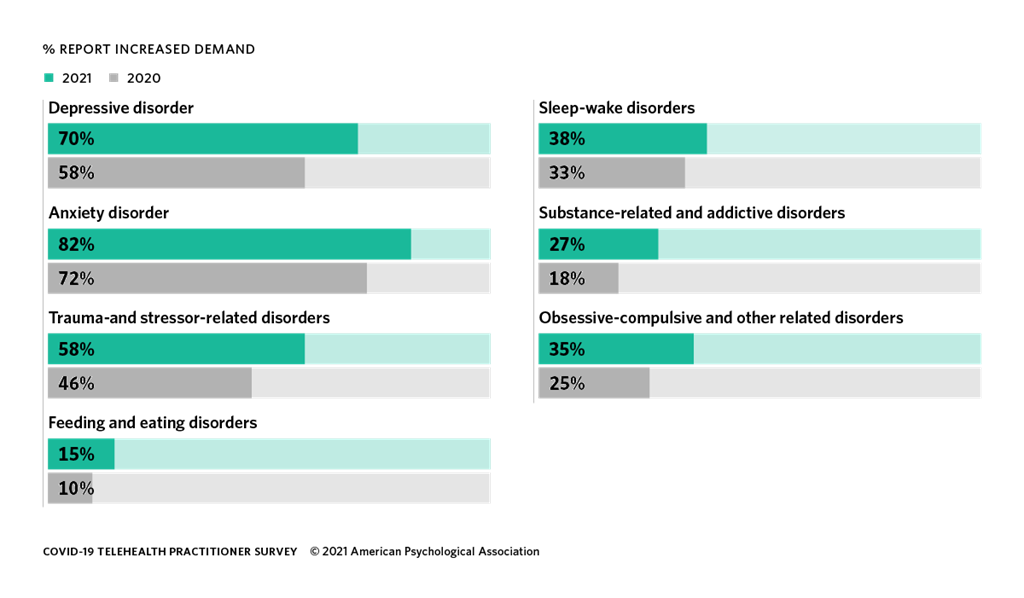
In this 2021 follow-up survey, many psychologists reported increases in demand for treatment of anxiety and depression. Additionally, many psychologists reported increased workloads, longer waitlists, and low capacity for new patients.

Most psychologists continued to see at least some patients remotely, while a greater proportion used a hybrid model, treating some patients in person and some remotely. Despite an increased number of psychologists reporting that they were able to maintain positive work-life balance and practice self-care compared with 2020, reports of burnout and the inability to meet patient demand have also increased in the same time frame.

2021 COVID-19 Practitioner Survey. (2021). American Psychological Association.

Stephen D. Purcell on Dissociation and the Limitations of Verbal Conversation in Therapy

John, a profoundly traumatized person, […] alluded to the non-representational aspect of dissociation this way:

“If the mind is overwhelmed, the brain has other tools for survival. There are no words for that.”

It is important “technically” to recognize that there simply cannot be a therapeutic verbal conversation about unrepresented affects. The main point here is that dissociated affective experience shows up not in what is talked about but, alternatively, manifests itself in the various actions that occur in the setting of psychoanalysis.

In addition to allowing a proper place for the lack of [personal] agency, an appreciation of the centrality of unrepresented affective experience in dissociative psychopathology and, consequently, of its necessary and inevitable enactment in analysis are other essential perspectives in the development of a comprehensive clinical theory. Something additional to verbal (symbolic) conversation must find its way into our clinical practice and theory.

Purcell, S. D. (2019). Psychic song and dance: Dissociation and duets in the analysis of trauma. The Psychoanalytic Quarterly, 88(2), 315–347.

“This Jungian Life” Podcast: The Music of Metaphor

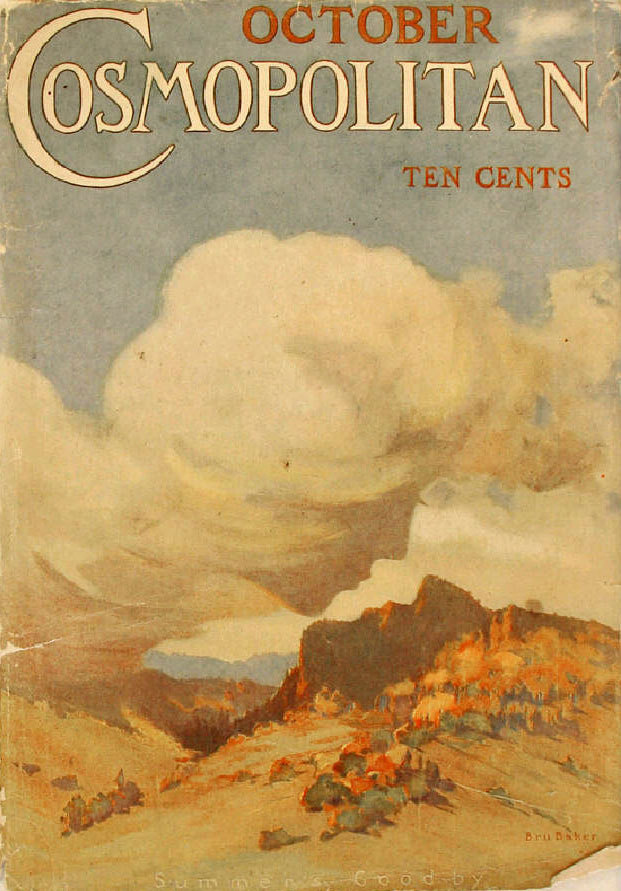
“Summer’s Good‐by,” cover by J. O. Brubaker, Cosmopolitan Magazine, vol. 43, no. 6, Oct. 1907. Wikimedia Commons in the public domain.

Metaphors transfer meaning between domains of experience.

To understand and engage another’s internal world requires language which speaks in harmony with the unconscious. Metaphor speaks beyond ego and traverses the realms between past and present, bodily sensation and feeling, conscious and unconscious. It infuses lived experience with connection and creates shared space for healing.

[Carl Gustav] Jung says, “Whoever speaks in primordial images speaks with a thousand voices; he enthralls and overpowers, while at the same time he lifts the idea he is seeking to express out of the occasional and the transitory into the realm of the ever-enduring.”

from Stewart, D., Marchiano, L., & Lee, J. (2021, August 26). Episode 178 – The Music of Metaphor: Healing in Therapy & Life – This Jungian Life.