Steven Stern on the Structure of Our Self-Experience

If we think of childhood, as the infant researchers do, as a series of intersubjective moments or interaction sequences [with a caregiver], within each sequence the child brings a primary subjective experience [authentic sense of self, or “true self”], which is met by some response or initiative from the caregiver.

Over the course of each interactive sequence, the inner state [of authenticity] that the child started with is transformed by the interaction; and, through many repetitions of similar moments, the infant forms and internalizes representations of that transformational interaction sequence. Such presymbolic, internalized representations are thought to form the basis of psychological structure (e.g., Stern, 1985; Beebe, Lachmann, and Jaffe, 1997; Beebe and Lachmann, 1998).

What [Christopher] Bollas’ model would have us focus on, however, is the relationship between what the child learns and internalizes from these interaction sequences and the original subjective states [of authenticity] that the child brought to the inteactions in the first place. As I conceptualize the self, it is this intrapsychic relationship [between authenticity and our experiences of the responses of others] that determines the momentary quality of self-experience.

from Stern, S. (2002). The Self as a Relational Structure: A Dialogue with Multiple-Self Theory. Psychoanalytic Dialogues, 12(5), 693–714.

NYT: Phony Diagnoses Hide High Rates of Drugging at Nursing Homes

Yvonne Blakeney’s husband, David, a dementia patient, was diagnosed with schizophrenia shortly after arriving at a nursing home. Credit: Sean Rayford for The New York Times

Today, 1 in 9 [nursing home] residents has received a schizophrenia diagnosis. In the general population, the disorder, which has strong genetic roots, afflicts roughly 1 in 150 people.

from Thomas, K., Gebeloff, R., & Silver-Greenberg, J. (2021, September 11). Phony Diagnoses Hide High Rates of Drugging at Nursing Homes. The New York Times.

“This Jungian Life” Podcast: The Dark Side of Mothering

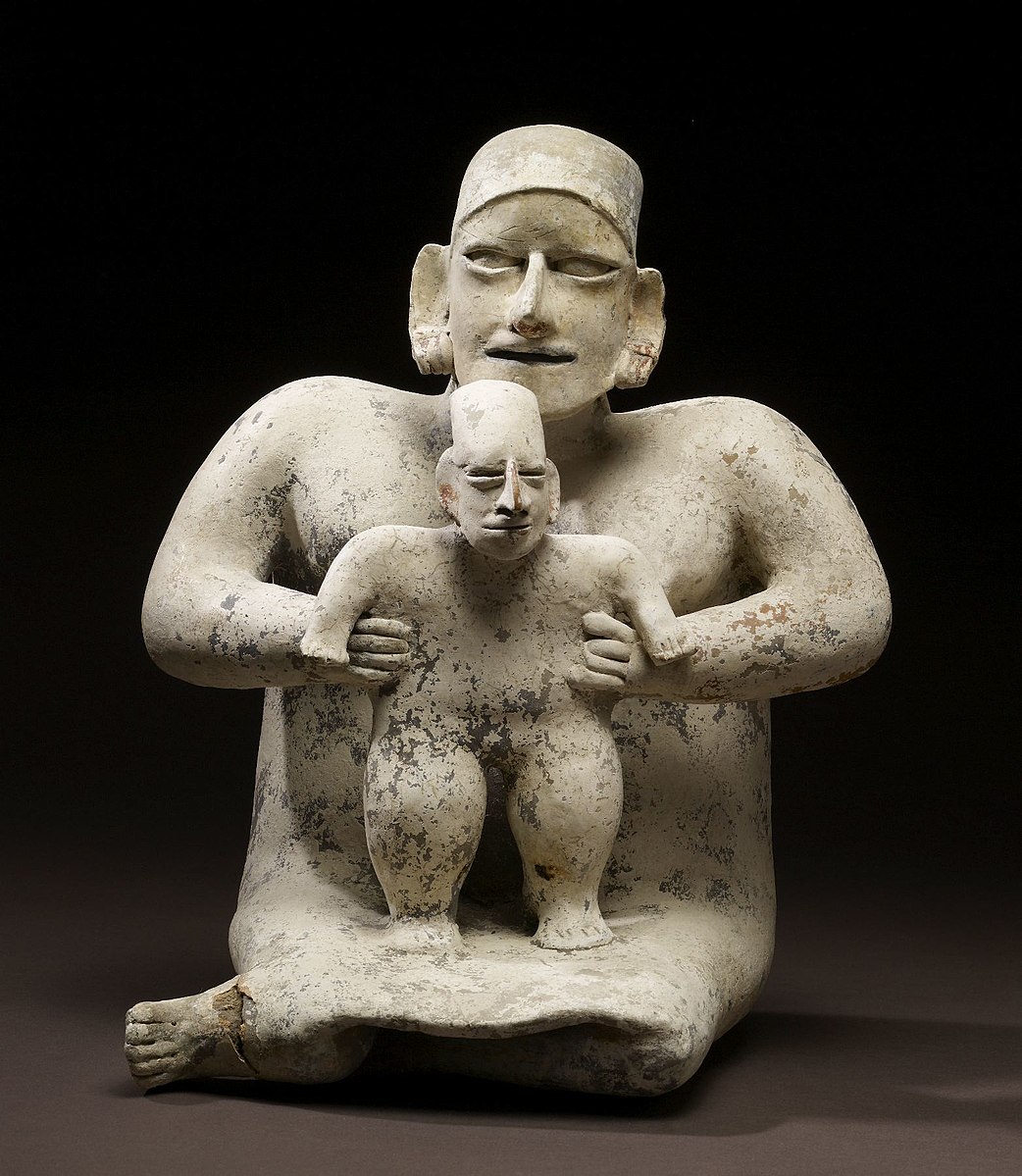
Mother and Child. West Mexico, 100 BC-AD 200. Earthenware, white slip with black and red paint. Walter Art Museum, Baltimore, MD. Licensed under CC BY-SA 3.0.

Our colleague Puddi Kullberg, author of The Bad Mother, joins us to acknowledge motherhood’s shadow. Our culture idealizes motherhood, but mothers everywhere have experienced themselves as bad in varying ways and to various degrees.

Jung suggests that even truly harmful mothers can expiate their actions by becoming conscious of what they have done. If we can face even grievous mistakes, we can deepen into our ordinary, sometimes dark humanity. Confrontation with our negative mothering leads to experiencing emotions that were previously unrecognized or denied.

We can mitigate isolation by getting help. We can be known, our experience is understandable, and we can choose the life that lies before us now. We may also discover new capacity for compassion and presence — and moments of genuine joy. 

from Stewart, D., Marchiano, L., & Lee, J. (2021, August 26). Episode 160 – The Dark Side of Mothering – This Jungian Life.