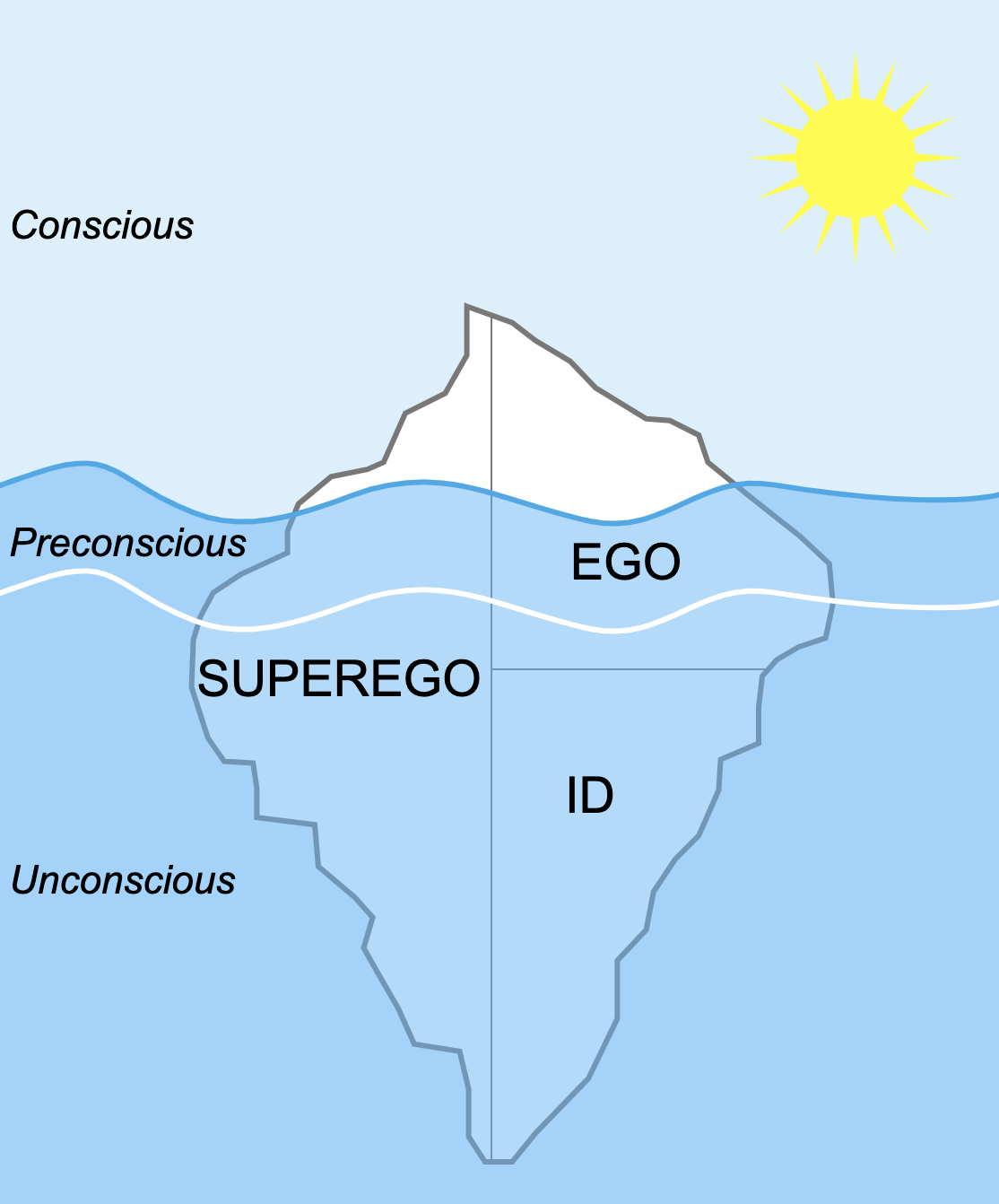
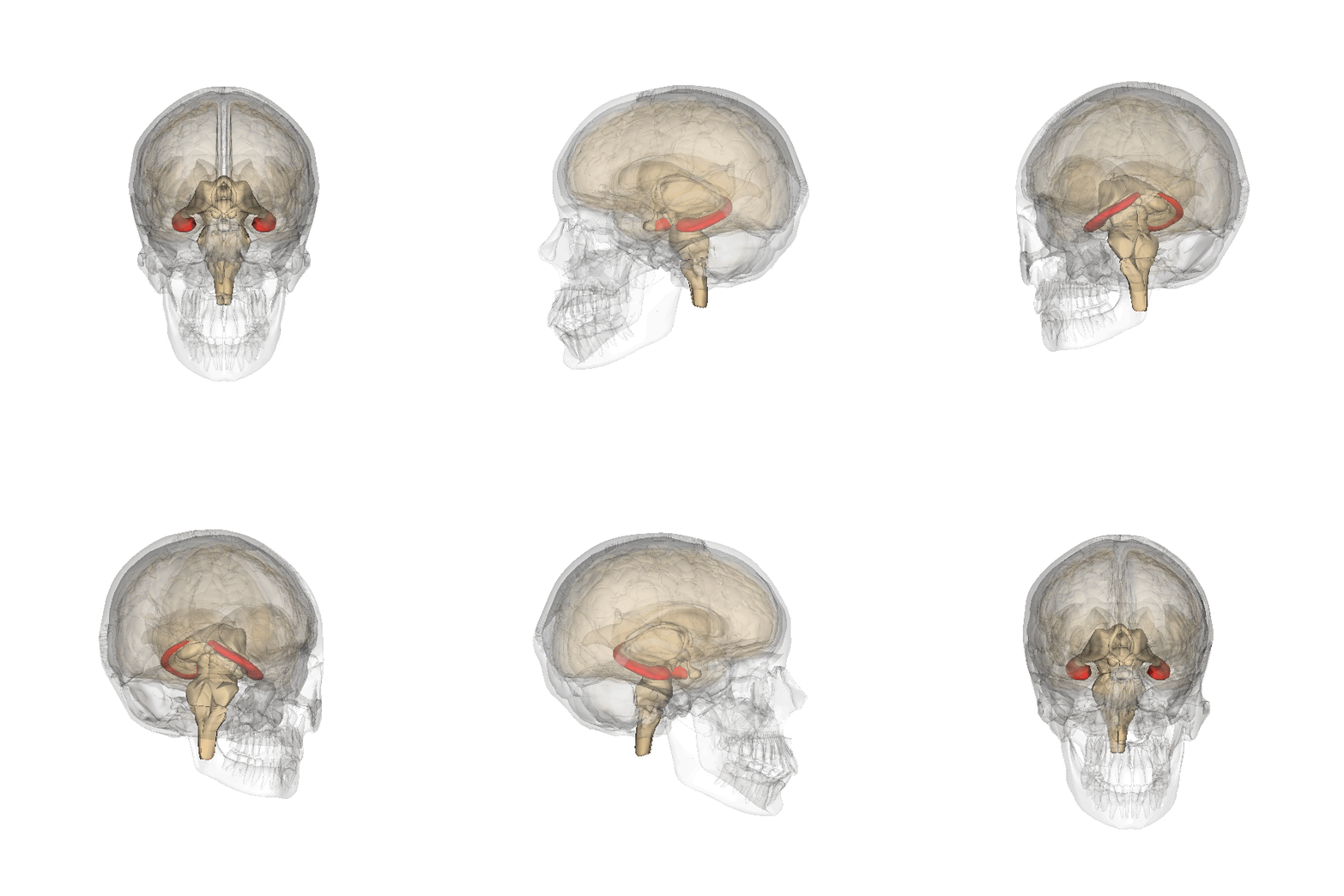
The [human brain’s] hippocampus plays an important role in categorizing new information and integrating it with existing mental schemas. For explicit [conscious], declarative, or narrative memory to exist, incoming stimuli must be processed by the hippocampus, which takes weeks to months.
When the amygdala is highly stimulated, it interferes with proper functioning of the hippocampus. The intense stimulation of the amygdala will prevent a traumatic experience from being explicitly remembered.
In addition, explicit memory requires focal attention on incoming stimuli, resulting in reflection on the perceptual content. During traumatic events, the fight/flight response and accompanying hormonal stimulation produce high states of arousal, making focal attention impossible. Thus, the incoming stimuli cannot be categorized, digested, and stored as long-term memory. The information is remembered through a different system outside of cortical and hippocampal control.
The experience is registered as implicit [non-conscious] memory. It consists of perceptual, rather than reflective content. It is then remembered (relived) as body sensations, emotions, images, and motoric behavior.
This highly perceptual content, which is vividly experienced with little capacity for reflection [by the traumatized person], results in mistaken source monitoring. One tends to misinterpret external experience because of internal perceptual cues which are related to past, not present experience. Current experience is distorted and perceived as a potential threat.
from Eckberg, M. (2000). Victims of Cruelty: Somatic Psychotherapy in the Treatment of Posttraumatic Stress Disorder. North Atlantic Books.


 Matthew M. Sholler, Psy.D.


