
“This Jungian Life” Podcast on the Archetype of War

Photo of a mural tribute to the lost community members of the civil war in Nuevo Gualcho, El Salvador. (Mural tree reads, "Names to never forget...") Credit: Amelia Hunt. Licensed under CC BY-SA 4.0.
A tribute to the lost community members of the civil war in Nuevo Gualcho, El Salvador. (Mural tree reads, “Names to never forget…”) Credit: Amelia Hunt. Licensed under CC BY-SA 4.0.

The people can always be brought to do the bidding of the leaders. This is easy. All you have to do is tell them they are being attacked and denounce the pacifists for lack of patriotism and exposing the country to danger. It works the same in every country.

Hermann Wilhelm Göring, German politician, military leader and convicted war criminal

Episode synopsis: “Recent events in Afghanistan have again put war at the forefront of collective consciousness. War’s destruction belongs to the mythic realm. Mars, the Roman god of war, was a primordial force whose altars were placed outside city gates. Although acknowledged, he was not accepted. His paramour, Venus, is warfare’s seductress, offering spectacle, pageantry, and glory.”

“Like all the gods of Mt. Olympus, Mars and Venus live in us as opposing forces of aggression and eros. We are charged with holding the tension of these impassioned opposites and making them conscious, lest we project shadow onto designated enemies or wage war internally as neurosis. We can stand in the complexity of conflict, suspend action, and allow the gods a place inside our psychic city gates.”

— from Stewart, D., Marchiano, L., & Lee, J. (2021, September 2). Episode 179 – The Archetype of WAR
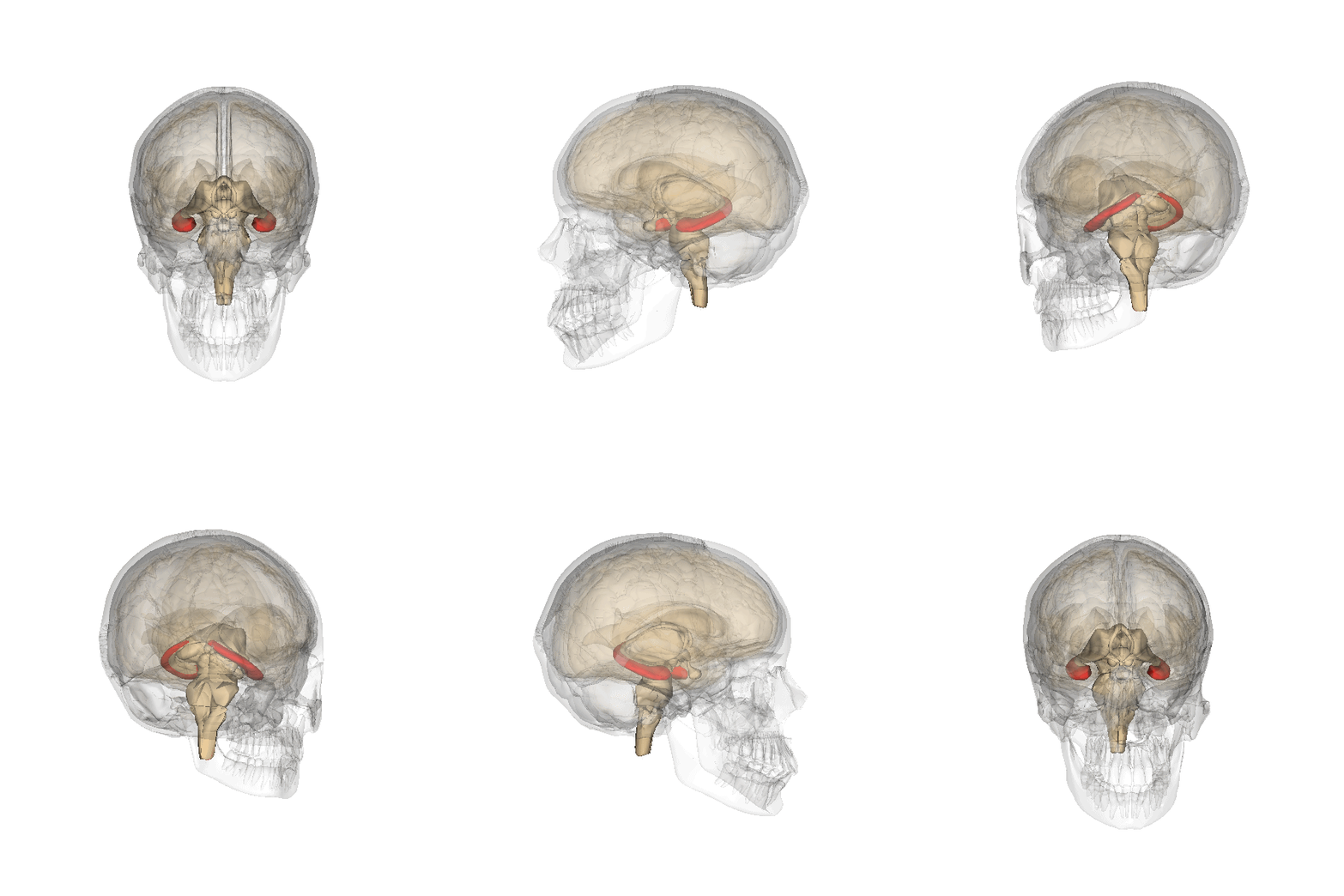
Maryanna Eckberg on the Brain, Trauma and Memory

The [human brain’s] hippocampus plays an important role in categorizing new information and integrating it with existing mental schemas. For explicit [conscious], declarative, or narrative memory to exist, incoming stimuli must be processed by the hippocampus, which takes weeks to months.

When the amygdala is highly stimulated, it interferes with proper functioning of the hippocampus. The intense stimulation of the amygdala will prevent a traumatic experience from being explicitly remembered.

In addition, explicit memory requires focal attention on incoming stimuli, resulting in reflection on the perceptual content. During traumatic events, the fight/flight response and accompanying hormonal stimulation produce high states of arousal, making focal attention impossible. Thus, the incoming stimuli cannot be categorized, digested, and stored as long-term memory. The information is remembered through a different system outside of cortical and hippocampal control.

The experience is registered as implicit [non-conscious] memory. It consists of perceptual, rather than reflective content. It is then remembered (relived) as body sensations, emotions, images, and motoric behavior.

This highly perceptual content, which is vividly experienced with little capacity for reflection [by the traumatized person], results in mistaken source monitoring. One tends to misinterpret external experience because of internal perceptual cues which are related to past, not present experience. Current experience is distorted and perceived as a potential threat.

from Eckberg, M. (2000). Victims of Cruelty: Somatic Psychotherapy in the Treatment of Posttraumatic Stress Disorder. North Atlantic Books.

“This Jungian Life” Podcast: The Dark Side of Mothering

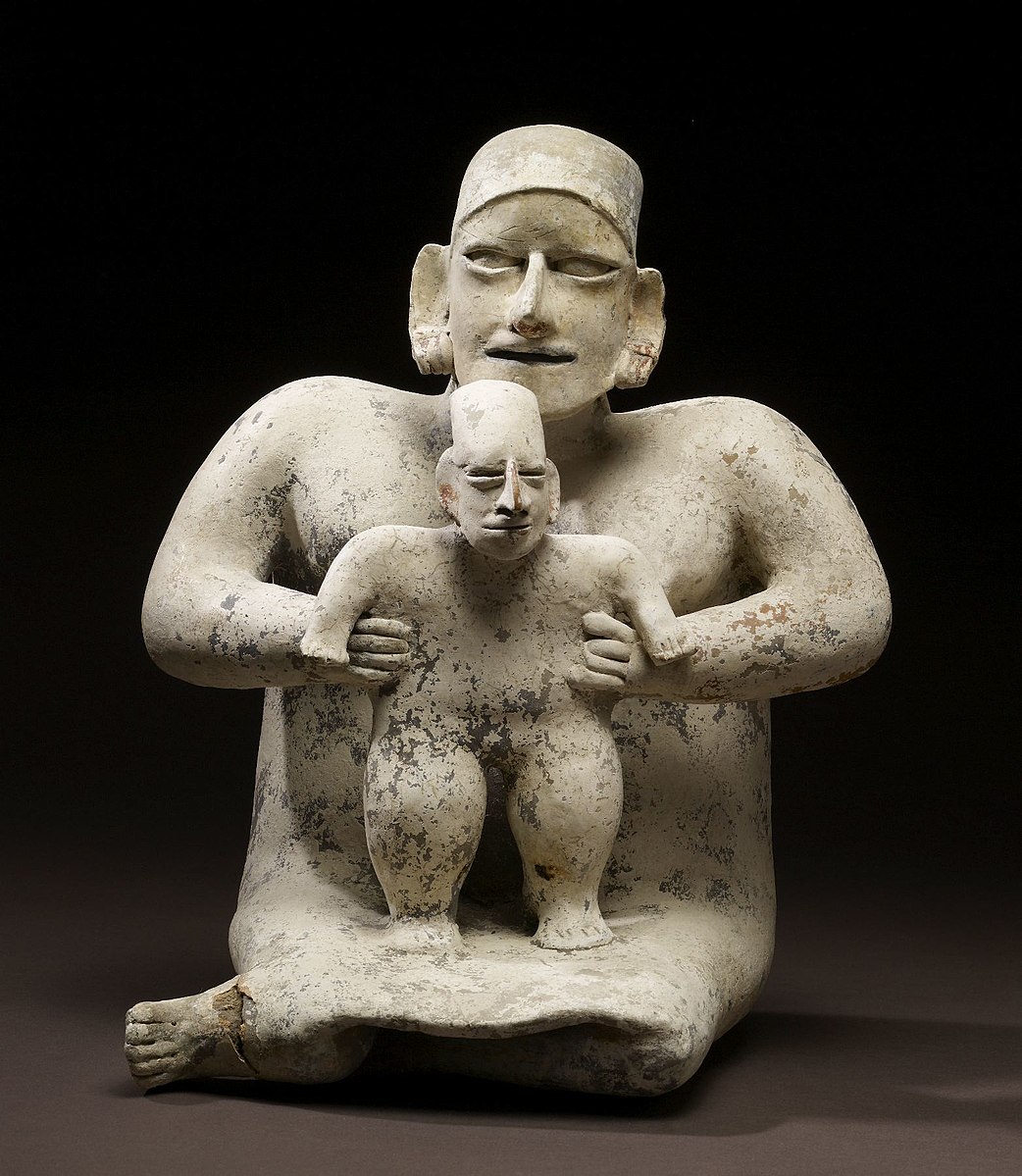
Mother and Child. West Mexico, 100 BC-AD 200. Earthenware, white slip with black and red paint. Walter Art Museum, Baltimore, MD. Licensed under CC BY-SA 3.0.

Our colleague Puddi Kullberg, author of The Bad Mother, joins us to acknowledge motherhood’s shadow. Our culture idealizes motherhood, but mothers everywhere have experienced themselves as bad in varying ways and to various degrees.

Jung suggests that even truly harmful mothers can expiate their actions by becoming conscious of what they have done. If we can face even grievous mistakes, we can deepen into our ordinary, sometimes dark humanity. Confrontation with our negative mothering leads to experiencing emotions that were previously unrecognized or denied.

We can mitigate isolation by getting help. We can be known, our experience is understandable, and we can choose the life that lies before us now. We may also discover new capacity for compassion and presence — and moments of genuine joy. 

from Stewart, D., Marchiano, L., & Lee, J. (2021, August 26). Episode 160 – The Dark Side of Mothering – This Jungian Life.